HB 1557 — Washington
Establishing the Washington guaranteed admissions program and requiring student notifications.
This page lists STATE bills only. Open States, our source for this data, tracks state legislatures -- it has no visibility into city councils, county commissions or school boards. We don't yet have a free, storable source for local measures; see the About page for why.
Washington legislative agenda & upcoming votes Washington session calendar
Summary
- HB 1557 is a bill in the Washington House, 2025-2026 session, introduced January 23, 2025.
- Sponsored by Reed, with 26 cosponsors.
- Current status: introduced.
- Most recent action (January 12, 2026): By resolution, reintroduced and retained in present status.
-
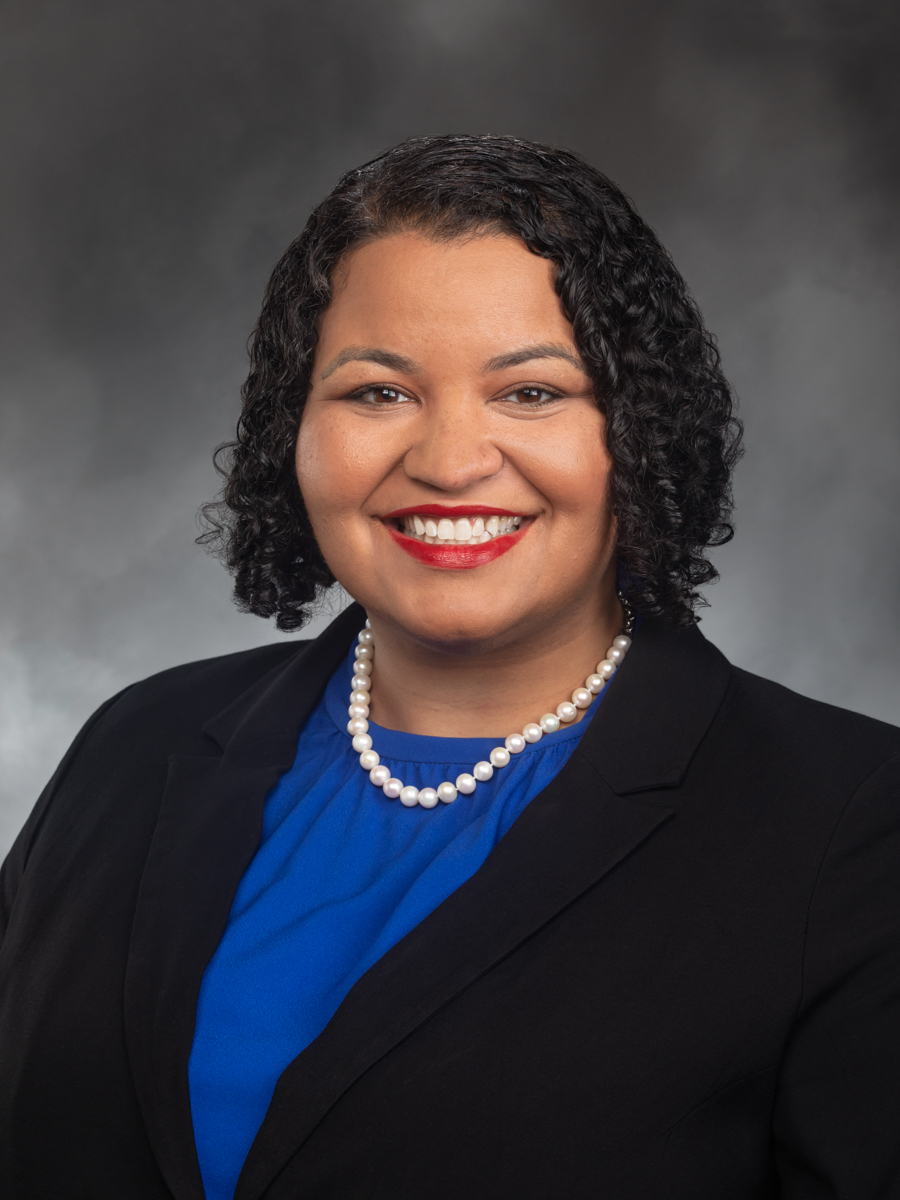
State Representative, District 36
Democratic
Contact your legislator about this bill
Bill text & documents
Sponsors
Primary: Reed
Cosponsors (26): Salahuddin, Scott, Morgan, Street, Ramel, Walen, Macri, Berry, Obras, Bernbaum, Fosse, Mena, Bergquist, Ortiz-Self, Lekanoff, Duerr, Ryu, Leavitt, Gregerson, Parshley, Kloba, Goodman, Peterson, Zahn, Pollet, Doglio
History
- Introduced, completed
- Passed House, in progress
- Passed Senate, not reached yet
- Sent to Governor, not reached yet
- Signed into law, not reached yet
- House First reading, referred to Postsecondary Education & Workforce.
- House Public hearing in the House Committee on Postsecondary Education & Workforce at 1:30 PM.
- House Executive session scheduled, but no action was taken in the House Committee on Postsecondary Education & Workforce at 1:30 PM.
- House Executive action taken in the House Committee on Postsecondary Education & Workforce at 1:30 PM.
- House PEW - Majority; 1st substitute bill be substituted, do pass.
- House Minority; without recommendation.
- House Minority; do not pass.
- House Referred to Appropriations.
- House Public hearing in the House Committee on Appropriations at 1:30 PM.
- House By resolution, reintroduced and retained in present status. Latest