HB 4089 — Oregon
Relating to criminal offenses related to work.
Oregon legislative agenda & upcoming votes Oregon session calendar
Summary
Modifies the crime of theft of services to include partial payments. Provides that a prosecution for theft of services does not preclude other forms of relief. Directs the Interagency Compliance Network to develop investigative methods concerning persons who may be committing theft of services and not complying with taxation and employment laws. Punishes knowingly entering into a contract with an unlicensed labor contractor, if committed by a direct contractor or subcontractor, by a maximum of 364 days' imprisonment, $6,250 fine, or both. Punishes a second or subsequent conviction by a maximum of five years' imprisonment, $125,000 fine, or both. Increases the penalty for the intentional use of a contractor's license number without authorization. Punishes by a maximum of five years' imprisonment, $125,000 fine, or both. Increases the penalty for the use of a contractor's license number with the intent to deceive the public. Punishes by a maximum of five years' imprisonment, $125,000 fine, or both.
- HB 4089 is a bill in the Oregon House, 2026R1 session, introduced February 2, 2026.
- Sponsored by Thuy Tran, Courtney Neron Misslin, Lesly Muñoz, Farrah Chaichi, Gregory Smith, James Manning Jr., and Floyd Prozanski, with 23 cosponsors.
- Current status: signed into law.
- Most recent action (April 6, 2026): Chapter 53, (2026 Laws): Effective date January 1, 2027.
- 5 recorded votes; the most recent, on March 6, 2026, passed 26-2.
-

State Representative, District 45
Democratic -

State Senator, District 13
Democratic -

State Representative, District 22
Democratic/Working Families -

State Representative, District 35
Democratic -
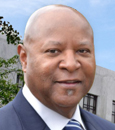
State Senator, District 7
Democratic -
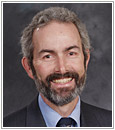
State Senator, District 4
Democratic
Contact your legislator about this bill
Bill text & documents
- A-Engrossed (opens in a new tab)
- B-Engrossed (opens in a new tab)
- Enrolled (opens in a new tab)
- House Amendments to A-Engrossed (opens in a new tab)
- House Amendments to Introduced (opens in a new tab)
- Introduced (opens in a new tab)
- HLWD Amendment -4 (opens in a new tab)
- HRULES Amendment -A6 (opens in a new tab)
- 2026-02-11 Proposed Amendment -1 (opens in a new tab)
- 2026-02-16 Proposed Amendment -1 (opens in a new tab)
- 2026-02-24 Proposed Amendment -A7 (opens in a new tab)
- This bill on Open States (opens in a new tab)
Sponsors
Primary: Thuy Tran, Courtney Neron Misslin, Lesly Muñoz, Farrah Chaichi, Gregory Smith, James Manning Jr., Floyd Prozanski
Cosponsors (23): Tom Andersen, Ben Bowman, Paul Evans, Lisa Fragala, Mark Gamba, Zach Hudson, Shannon Isadore, Cyrus Javadi, Sarah McDonald, Susan McLain, Travis Nelson, Nathan Sosa, Lamar Wise, Wlnsvey Campos, Sara Gelser Blouin, Jeff Golden, Kayse Jama, Deb Patterson, Nancy Nathanson, Sue Rieke Smith, Jason Kropf, Mari Watanabe, Janeen Sollman
History
- Introduced, completed
- Passed House, completed
- Passed Senate, completed
- Sent to Governor, completed
- Signed into law, completed, current stage
- House First reading. Referred to Speaker's desk. Milestone
- House Referred to Labor and Workforce Development.
- House Public Hearing scheduled.
- House Public Hearing held.
-
House
Work Session held.
Heard and Reported Out with Amendments: 5 yes 3 no Passed, 62% yes
- House Without recommendation as to passage, with amendments, be printed A-Engrossed, and be referred to Rules.
- House Referred to Rules by order of Speaker.
-
House
Public Hearing and Work Session held.
Heard and Reported Out with Amendments: 4 yes 3 no Passed, 57% yes
- House Recommendation: Do pass with amendments and be printed B-Engrossed.
- House Second reading.
-
House
Third reading. Carried by Grayber. Passed.
Milestone
33 yes 9 no, 18 other Passed, 79% yes
- Senate First reading. Referred to President's desk. Milestone
- Senate Referred to Rules.
-
Senate
Public Hearing and Work Session held.
Heard and Reported Out: 5 yes 0 no Passed, 100% yes
- Senate Recommendation: Do pass the B-Eng. bill.
- Senate Second reading.
-
Senate
Third reading. Carried by Neron Misslin. Passed.
Milestone
26 yes 2 no, 2 other Passed, 93% yes
- House Speaker signed. Milestone
- Senate President signed. Milestone
- House Governor signed. Milestone
- House Chapter 53, (2026 Laws): Effective date January 1, 2027. Latest