SB 304 — California
Public lands: City of Oakland: Port of Oakland: uses of after-acquired lands.
History
- Introduced, completed
- Passed Senate, completed
- Passed Assembly, completed
- Sent to Governor, completed
- Signed into law, completed, current stage
California legislative agenda & upcoming votes California session calendar
Summary
Under existing law, known as the public trust doctrine, the state has title as trustee to all tidelands and navigable lakes and streams and is charged with preserving these waterways for navigation, commerce, and fishing, as well as for scientific study, recreation, and as an open space and habitat for birds and marine life. Existing law establishes the State Lands Commission in the Natural Resources Agency. Existing law provides that the state's power and right to control, regulate, and use its tidelands and submerged lands when acting within the terms of the public trust is absolute. Existing law provides that tidelands and submerged lands granted by the Legislature to local entities remain subject to the public trust, and remain subject to the oversight authority of the state by and through the commission. Existing law provides that granted public trust lands remain subject to the supervision of the state and the state retains its duty to protect the public interest in granted public trust lands.
Under existing law, the commission's power to lease and grant is conferred upon the local trustee of the granted public trust lands. Existing law grants the City of Oakland sovereign tide and submerged lands located within its boundaries.
This bill would lift, until February 1, 2066, the use restrictions imposed by the granting statutes and the public trust doctrine for after-acquired lands, as defined, in Jack London Square and would authorize the Port of Oakland to lease the after-acquired lands for any purpose subject to specified conditions. The bill would provide that on February 2, 2066, the use restrictions imposed by the granting statutes and the public trust doctrine again apply to after-acquired lands. The bill would require, on or before January 15, 2027, and every year thereafter until February 2, 2066, the Port of Oakland to provide the commission with a narrative statement, as specified. The bill would, until February 1, 2066, hold the terms of a specified stipulated judgment in abeyance for after-acquired lands subject to the act, as provided. To the extent that this bill would impose additional duties on the City of Oakland, this bill would impose a state-mandated local program.
Existing law requires workers employed on public works to be paid not less than the general prevailing rate of per diem wages, determined by the Director of Industrial Relations, for work of a similar character in the locality that the public work is performed, as prescribed, unless an exception applies, and imposes misdemeanor penalties for a willful violation of this requirement.
The bill would apply the above-described prevailing wage standards to privately funded tenant improvements on after-acquired land leased by the Port of Oakland if certain requirements are met. By expanding the scope of a crime, this bill would impose a state-mandated local program.
This bill would make legislative findings and declarations as to the necessity of a special statute for the Port of Oakland.
The California Constitution requires the state to reimburse local agencies and school districts for certain costs mandated by the state. Statutory provisions establish procedures for making that reimbursement.
This bill would provide that with regard to certain mandates no reimbursement is required by this act for a specified reason.
With regard to any other mandates, this bill would provide that, if the Commission on State Mandates determines that the bill contains costs so mandated by the state, reimbursement for those costs shall be made pursuant to the statutory provisions noted above.
- SB 304 is a bill in the California Senate, 2025–26 session, introduced February 10, 2025.
- Current status: signed into law.
- Most recent action (October 10, 2025): Chaptered by Secretary of State. Chapter 578, Statutes of 2025.
- 8 recorded votes; the most recent, on September 10, 2025, passed 37-1.
- Subjects: CityofOakland, PortofOakland, Publiclands, usesofafter-acquiredlands.
Sponsors
Cosponsors (3)
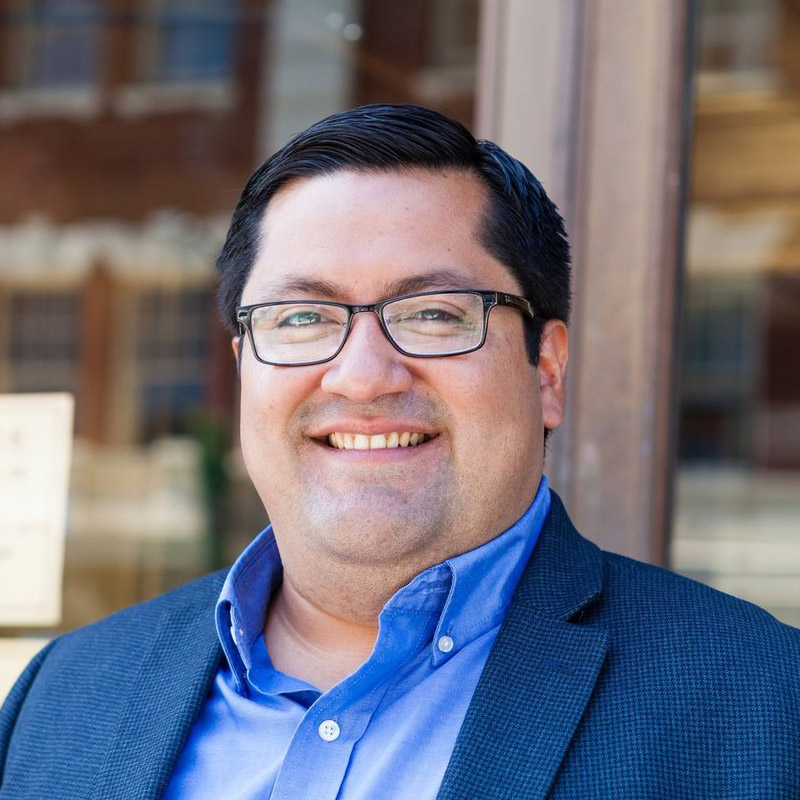

Contact your legislator about this bill
Bill text & documents
- SB304 (opens in a new tab)
- 02/10/25 - Introduced (opens in a new tab)
- 03/26/25 - Amended Senate (opens in a new tab)
- 04/29/25 - Amended Senate (opens in a new tab)
- 07/07/25 - Amended Assembly (opens in a new tab)
- 09/05/25 - Amended Assembly (opens in a new tab)
- 09/12/25 - Enrolled (opens in a new tab)
- 10/10/25 - Chaptered (opens in a new tab)
- 04/18/25- Senate Natural Resources and Water (opens in a new tab)
- 05/09/25- Senate Appropriations (opens in a new tab)
- 05/25/25- Sen. Floor Analyses (opens in a new tab)
- 07/11/25- Assembly Natural Resources (opens in a new tab)
- 08/18/25- Assembly Appropriations (opens in a new tab)
- 08/22/25- ASSEMBLY FLOOR ANALYSIS (opens in a new tab)
- 09/05/25- ASSEMBLY FLOOR ANALYSIS (opens in a new tab)
- 09/16/26- Sen. Floor Analyses (opens in a new tab)
- This bill on Open States (opens in a new tab)
Bill timeline
- Senate Introduced. Read first time. To Com. on RLS. for assignment. To print. Milestone
- Senate From printer. May be acted upon on or after March 13.
- Senate Referred to Com. on RLS.
- Senate From committee with author's amendments. Read second time and amended. Re-referred to Com. on RLS.
- Senate Re-referred to Com. on N.R. & W.
- Senate Set for hearing April 22.
-
Senate
Do pass as amended, but first amend, and re-refer to the Committee on [Appropriations]
6 yes 0 no, 1 other Passed, 100% yes
- Senate From committee: Do pass as amended and re-refer to Com. on APPR. (Ayes 6. Noes 0. Page 389.) (April 22).
- Senate Read second time and amended. Re-referred to Com. on APPR.
- Senate Set for hearing May 12.
-
Senate
May 12 hearing: Placed on APPR. suspense file.
Placed on suspense file: 7 yes 0 no Passed, 100% yes
- Senate Set for hearing May 23.
-
Senate
From committee: Do pass. (Ayes 6. Noes 0. Page 1195.) (May 23).
Do pass: 6 yes 0 no, 1 other Passed, 100% yes
- Senate Read second time. Ordered to third reading.
- Senate Ordered to special consent calendar.
-
Senate
Read third time. Passed. (Ayes 38. Noes 0. Page 1324.) Ordered to the Assembly.
Milestone
Special Consent: 38 yes 0 no, 2 other Passed, 100% yes
- Assembly In Assembly. Read first time. Held at Desk.
- Assembly Referred to Com. on NAT. RES.
- Assembly From committee with author's amendments. Read second time and amended. Re-referred to Com. on NAT. RES.
-
Assembly
Do pass and be re-referred to the Committee on [Appropriations]
13 yes 0 no, 1 other Passed, 100% yes
- Assembly From committee: Do pass and re-refer to Com. on APPR. (Ayes 13. Noes 0.) (July 14). Re-referred to Com. on APPR.
-
Assembly
From committee: Do pass. (Ayes 15. Noes 0.) (August 20).
Do pass.: 15 yes 0 no Passed, 100% yes
- Assembly Read second time. Ordered to third reading.
- Assembly Assembly Rule 69(b)(1) suspended.
- Assembly Read third time and amended.
- Assembly Ordered to third reading.
-
Assembly
Read third time. Passed. (Ayes 80. Noes 0. Page 3070.) Ordered to the Senate.
Milestone
SB 304 Arreguín Senate Third Reading By Bonta: 80 yes 0 no Passed, 100% yes
- Senate In Senate. Concurrence in Assembly amendments pending.
-
Senate
Assembly amendments concurred in. (Ayes 37. Noes 1. Page 2803.) Ordered to engrossing and enrolling.
Unfinished Business SB304 Arreguín et al. Concurrence: 37 yes 1 no, 2 other Passed, 97% yes
- Legislature Enrolled and presented to the Governor at 2 p.m.
- Legislature Approved by the Governor. Milestone
- Legislature Chaptered by Secretary of State. Chapter 578, Statutes of 2025. Milestone Latest